
Society of Tropical Medicine & Infectious Diseases in India

Tropical Diseases are often not taken care of seriously in the countries like India and many other. Government’s endeavour alone is not enough to combat these diseases. Considering the need of individual initiative, few enthusiastic medical practitioners having specialization in tropical medicine, united together and founded Society of Tropical Medicine and Infectious Diseases in India in the year 2009. The society is registered under West Bengal Society Registration Act 1961 and is run by professional office bearers. The dedicated members spare time after their busy schedule of work for awareness campaign and care of the patients. CMEs are organized every year for inter-exchange of knowledge amongst the members, sharing the same with the specialists from all over India.

Events Updates

STMIDI 11th Annual CME 2025 was held on 16th February 2025 at The Park Hotel

Aims & Objectives

  • Identity/recognision of the subject.
  • To develop standards of care for management of Tropical and Infectious diseases.
  • To create opportunities for care providers.
  • To create awareness and perfection of treatment modalities amongst doctors for infectious diseases.
  • Placement and proper utilization of our members in the government sector.
  • Exchange of experience and knowledge to increase skill.
  • Subject is beyond infectious diseases only.

Malaria

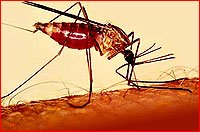
Malaria is caused by a parasite called Plasmodium, which is transmitted via the bites of infected mosquitoes. In the human body, the parasites multiply in the liver, and then infect red blood cells.

Kalaazar

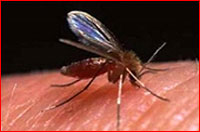
An infectious disease caused by an intracellular flagellate protozoan Leishmania donovani, common in rural parts of the tropical and subtropical countries of the world. The disease, also known as visceral leishmaniasis, is characterized by lesions of the reticulo-endothelial system, especially the liver and spleen, and is often fatal. Children are more susceptible to this disease. Kala-azar is transmitted to man by the bite of the infected female Phlebotomus sandfly. The incubation period is generally 2 to 6 months.

Chikungunya

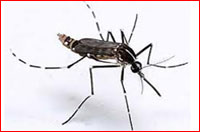
Chikungunya is a mosquito-borne viral disease first described during an outbreak in southern Tanzania in 1952. It is an alphavirus of the family Togaviridae. The name 'chikungunya' derives from a root verb in the Kimakonde language, meaning "to become contorted" and describes the stooped appearance of sufferers with joint pain.

Dengue

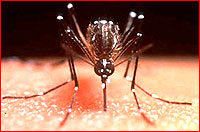
Dengue fever is a virus-based disease spread by mosquitoes. Dengue fever is caused by one of four different but related viruses. It is spread by the bite of mosquitoes, most commonly the mosquito Aedes aegypti, which is found in tropic and subtropic regions.